
This article reflects information as of 2020. For the latest details, please contact us.
Buzzword Explainer
Buzzwords Explained: Chained Together — Blockchain
2020.10.19
Written by:
Hello! I'm writing this article from the office for the first time in a while. A shop I'd been wanting to go to for lunch had closed down, a new tasty-looking place had opened, and I could see changes. And the office, which I hadn't visited in a while, was unexpectedly clean, which surprised me. It seems the president did a big cleanup… It's nice to work while chatting with everyone once in a while! This time I'll write about "blockchain," which I've heard about a lot for a few years now! The very first project I worked on after joining tentus was also a blockchain project, so it's a word that stuck with me personally. Looking into it again now, I feel I understand it better than before.

1. What is blockchain?
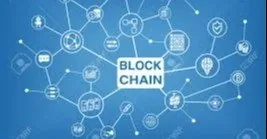
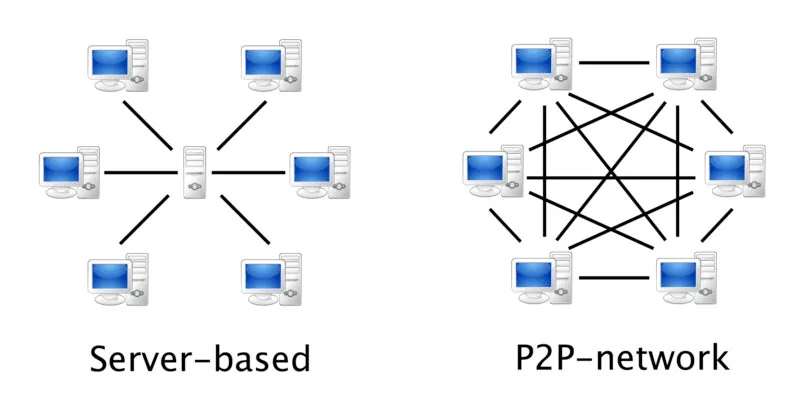
The image that probably comes to everyone's mind is "the thing behind cryptocurrency." But its range of applications is drawing attention. Blockchain refers to a mechanism in which transaction data generated by things like the handover of goods or the remittance of money is linked together in chronological order, and the connected servers hold that data among themselves. There's also a communication method underpinning blockchain technology called "P2P (Peer to Peer)." By copying data to each server connected to the blockchain, it is stored in a distributed manner. Because the connected servers as a whole hold a single set of data, the system never stops. In other words, you don't need to invest in a large-scale system just to keep it from going down. How convenient. Also, even if one copy of the data in your hands is damaged or lost, the other connected people hold many copies, so the system as a whole doesn't break.
2. Blockchain examples
Let me introduce a few examples that use blockchain technology!
① HACERA HACERA is a startup based in the United States. It focuses on developing privacy technologies leveraging blockchain, as well as technologies for secure information exchange among multiple participants. In partnership with IBM, Oracle, the WHO (World Health Organization), and others, it built "MiPasa," an open-data platform for COVID-19 using blockchain technology. The platform is supported by groups including medical experts, software and app developers, and privacy specialists, in order to collect high-quality, reliable data and make it easily accessible to appropriate users.
② GINKAN, Inc. GINKAN, Inc. is a startup taking on the challenge of building a new economic sphere using blockchain. It developed "SynchroLife," a gourmet SNS app leveraging AI and blockchain technology. One feature is that, based on users' usage data, an AI analyzes the compatibility of their food values and performs machine learning, making it possible to provide information tailored to a user's preferences. Another feature is a mechanism, enabled by blockchain, in which users are paid tokens as rewards in various ways. Tokens can be paid as rewards to users who provide information such as posting rating articles, registering new stores, or updating and translating store information, and it's also possible to earn tokens as an incentive on a portion of the bill when dining at the app's member stores.
③ Musicoin Foundation The Musicoin Foundation is the first international project to leverage cryptocurrency in the music industry. Its flagship service, "Musicoin," is a platform leveraging blockchain technology for artists to release their own music to the global market, with the aim of supporting the creation, distribution, and consumption of music. On this service, listeners can listen to tracks for free without watching ads. For artists, it's said to be a mechanism that lets them earn more in rewards compared with music-distribution services like "Spotify" and "Apple Music." Content and copyright information is stored in a distributed manner on the blockchain. This reduces the risk of hacking while simultaneously protecting copyright.
3. In closing
This time I wrote about blockchain. It's used in many services beyond cryptocurrency! It's strong for data that constantly changes or accumulates, and it's a mechanism that isn't much used for immutable data (date of birth, name, etc.)! Next week's update will likely also be on Monday — which is the day of the (baseball) draft meeting… I'm looking forward to it! Thank you again for reading!