This article reflects information as of 2020. For the latest details, please contact us.
Buzzword Explainer
Buzzwords Explained: The Age of Being Scored Is Almost Here — Credit Scores
2020.11.05
This article reflects information as of 2020. For the latest details, please contact us.
Written by:
Hello! Thank you for reading again this time! At last I've brought out the kotatsu at home and am writing this article all cozy. This year, perhaps due to the virus, time seems to have flown by. I'm sure all of you, during self-restraint, used your credit cards like crazy and did lots of online shopping. On that note, this time I'll write about "credit scores"!
1. What is a credit score?
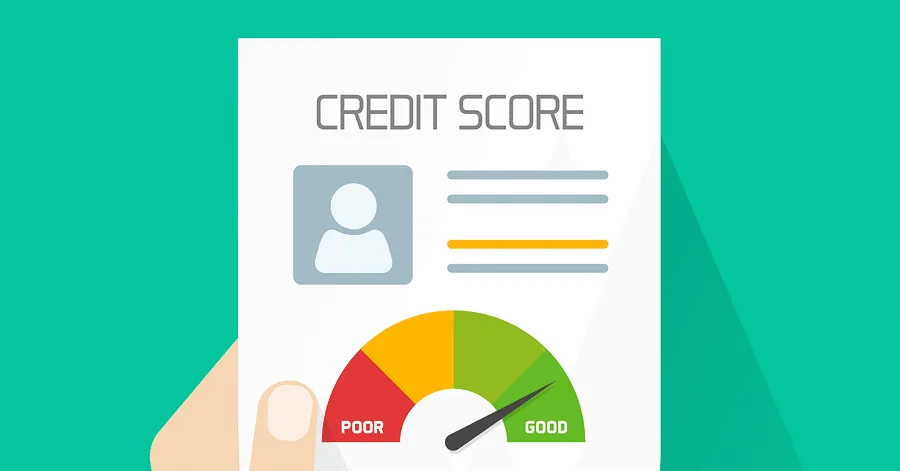
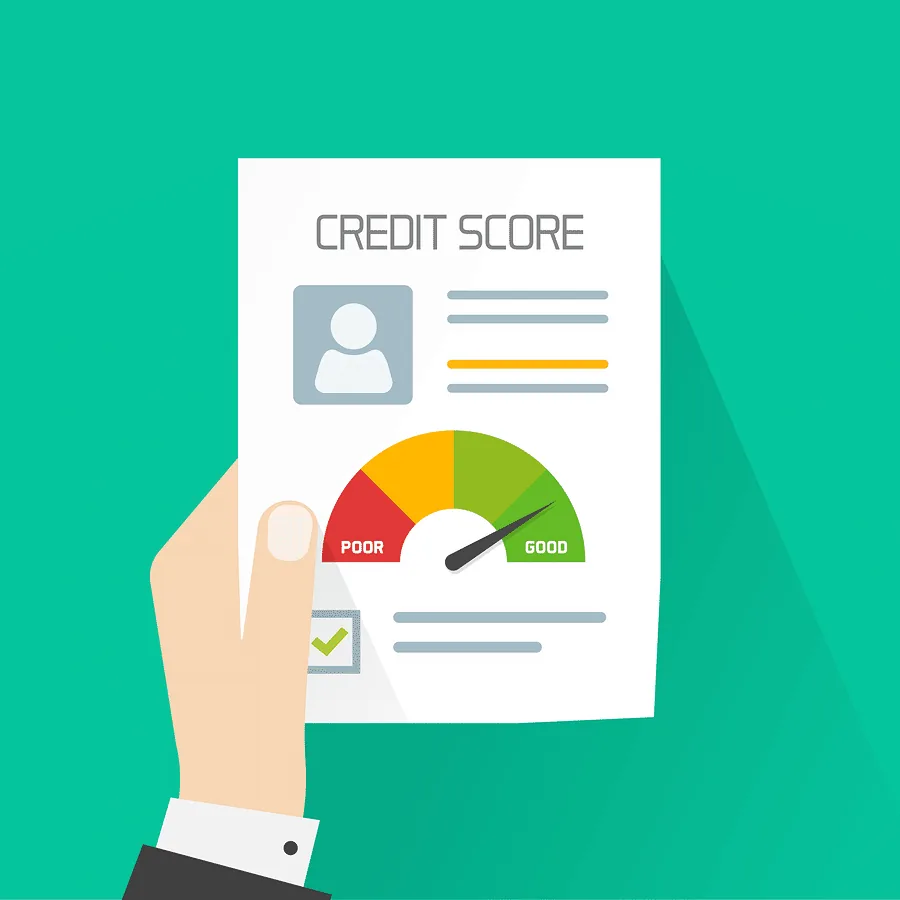
A credit score is, quite literally, an individual's creditworthiness turned into a number, calculated by an AI. Things like a person's education, employer, income, whether they own their home, and family composition apply. In Japan it's still not familiar, but it's already used in some parts of overseas. I'll introduce examples later. The flow of how a credit score works is:
- A score is calculated from the applicable factors ⇩
- The credit-score-service company provides the score to partner companies ⇩
- Partner companies roll out services using the score as a guide
That's the flow.

2. Merits and demerits
There are merits for companies and services, of course — being able to understand a user's nature and whether they can be trusted. So here I'll write about the merits and demerits from the user's side.
Merits ■ Grasping your own score Previously, your own information wasn't expressed in the form of a number, so there may have been times you weren't convinced by a screening result and such. By turning it into a number, you can gain a sense of conviction about the result. ■ Receiving perks It depends on each service, but depending on your credit-score number, you can receive various perks. With LINE, you can receive perks such as a higher point-return rate.
Demerits ■ There's a chance certain things become impossible In China, if your credit score doesn't reach a certain standard, you face restrictions such as being unable to buy airline tickets or register on matching apps. From the company/service side it's rational, since it filters out people from whom money is hard to collect or who aren't suited to the service. But from the user's side, it could cause major changes to one's life. ■ Disparity is born If credit scores create restrictions across financial institutions, entertainment, and even infrastructure, there's a concern that the gap between rich and poor widens further — the wealthy can receive all sorts of services, while the poor face even more things they can't do.
3. Examples
■ AI Score AI Score is a service operated by J.Score, a joint venture between SoftBank and Mizuho Bank. It launched in 2017 and is Japan's first scoring service.
It can be used by anyone 20 or older living in Japan, and a credit score is calculated from your transaction status by linking "Mizuho Bank," "SoftBank or Y!mobile," and "Yahoo! JAPAN." You can also register basic information such as family composition, and — distinctively — things good for your health, like exercise habits, are also reflected in the score. I feel a kinship with our own company here. The higher the score, the more you can receive perks called "AI Score Rewards."
■ LINE Score A scoring service that LINE has provided since 2019.
https://linescore-blog.line.me/
In addition to personal information, the score is calculated from information gained by linking LINE's financial services such as "LINE Pay" and "LINE Pocket Money," as well as "LINE," "LINE News," and so on. As rewards, a higher score means a higher point-return rate with "LINE Pay," and you can borrow money on more favorable terms with "LINE Pocket Money."
■ Rerep A scoring service that DeNA has provided since February 2020.
A major distinctive feature is that the score changes based on personal information, transaction information at partner financial institutions, and — further — how you clear missions presented daily within the service. The score is apparently used as credit information at partner financial institutions such as "Momiji Bank," "Kitakyushu Bank," and "Yamaguchi Bank."
4. In closing
This time I wrote about credit scores. Will credit scores, already widespread in China and the US, also spread in Japan? The services themselves are increasing. Looking into it, I felt there are surprisingly many even in Japan. For my friend who failed the screening for the Rakuten Card — said to be easy to get — the world may become harder to live in. In the anime "PSYCHO-PASS," there's a concept called the crime coefficient. Here's the explanation of the crime coefficient:
One of the parameters quantified by the Sibyl System, a number representing the risk of becoming a criminal. The elevated crime coefficient has a limit to how far it can be lowered through therapy, and those who exceed a certain standard and don't recover are treated as criminals called "latent criminals" before they've even committed a crime, and are effectively excluded and isolated from society.
Will a world like that ever come someday… scary, scary. Thank you again for reading today!